Stamp Witness
·Since Launch · Epoch 2
Cannot be lost.
4,800 dpi · Permanent Record · Witnessed.
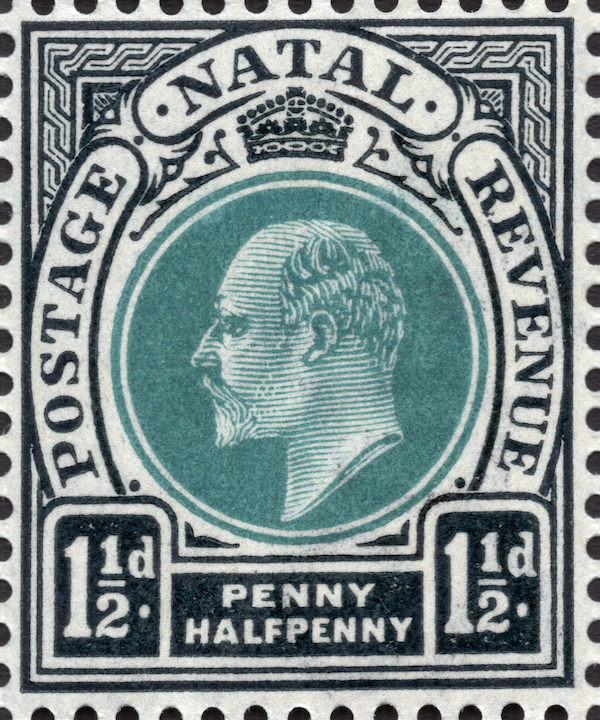
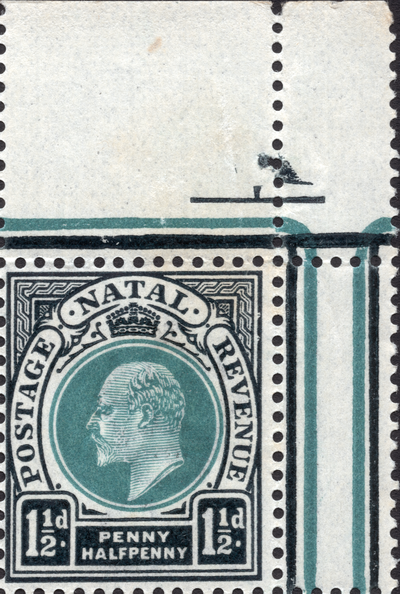
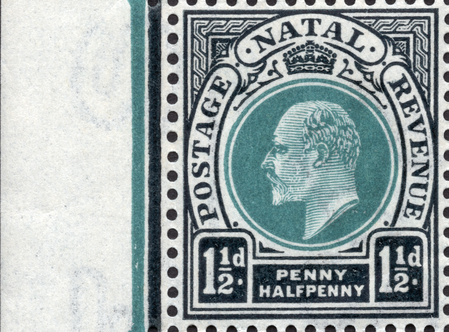
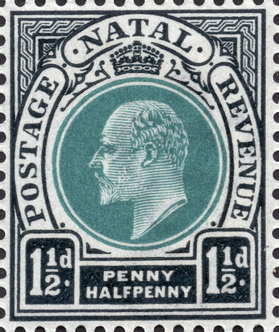
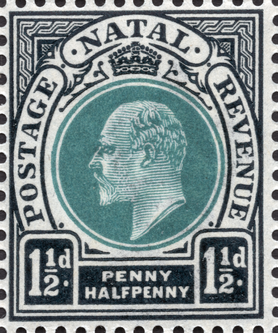
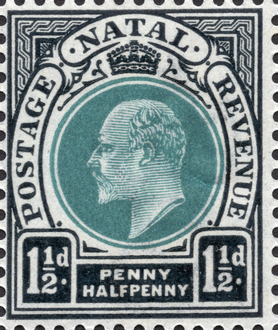
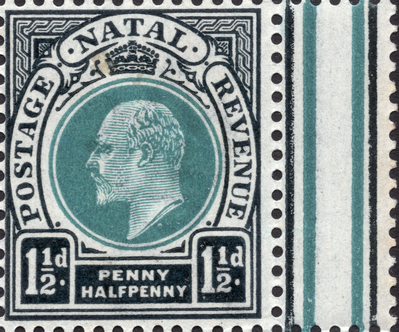
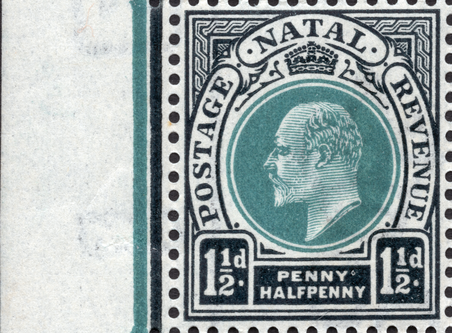
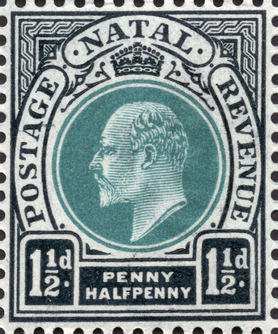
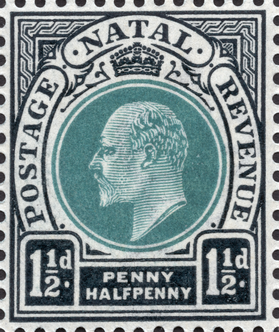
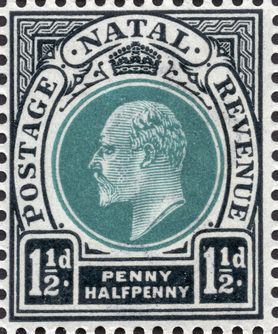
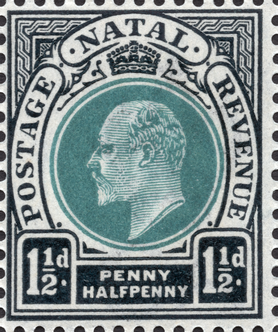
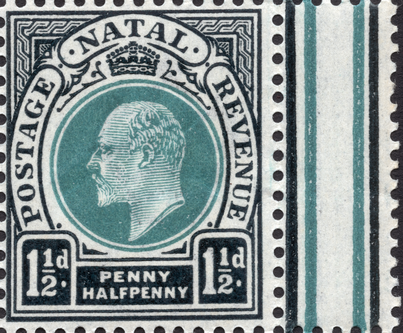
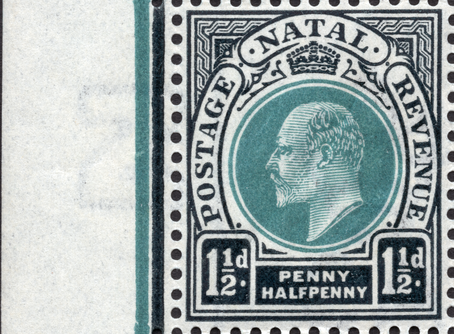
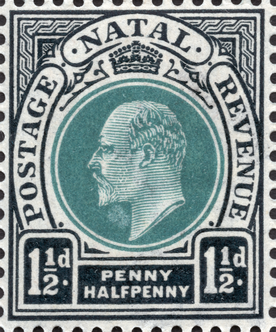
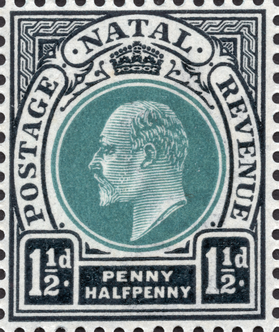
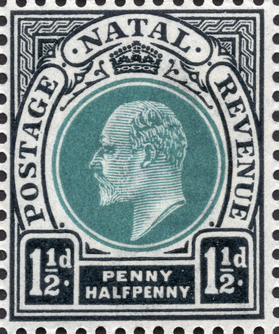
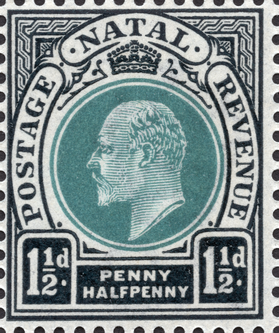
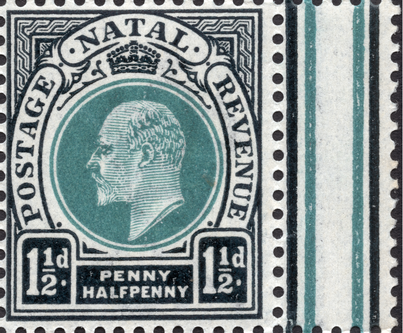
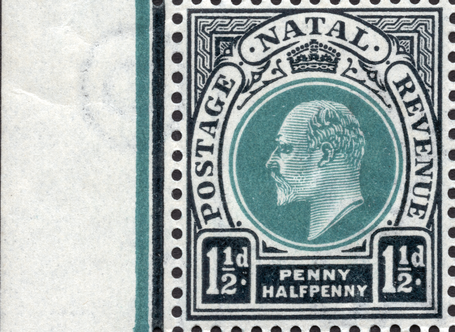
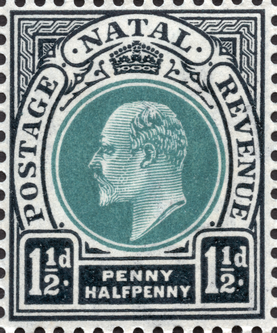
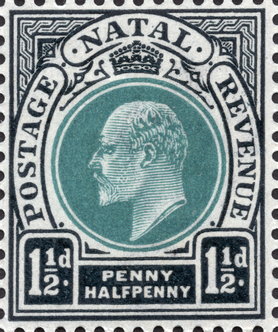
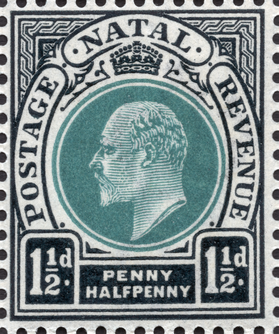
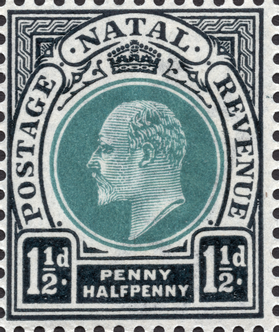
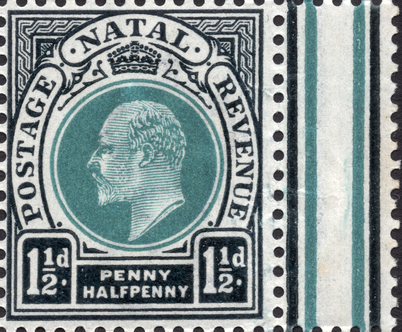
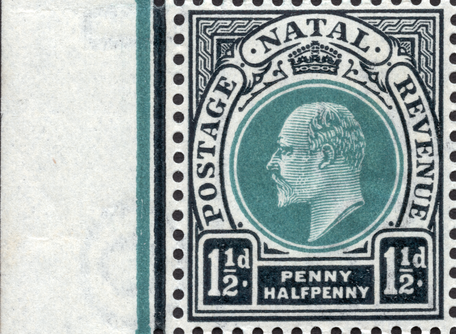
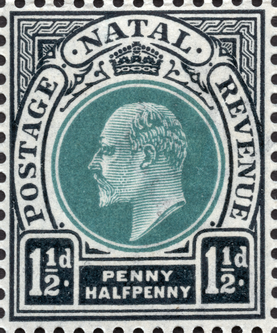
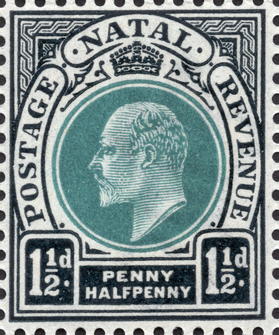
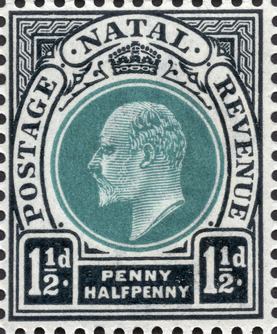
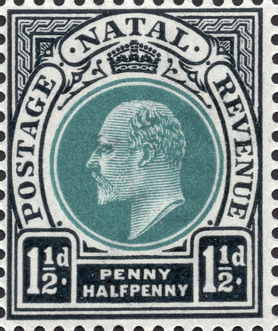
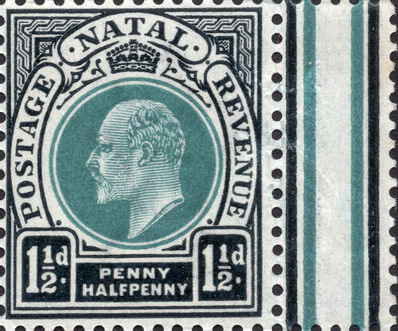
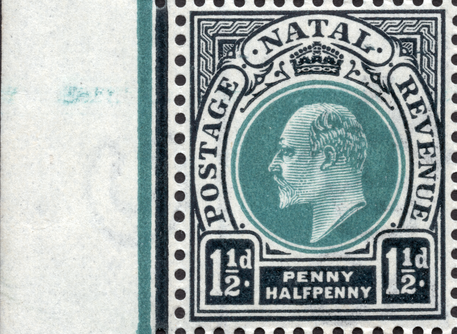
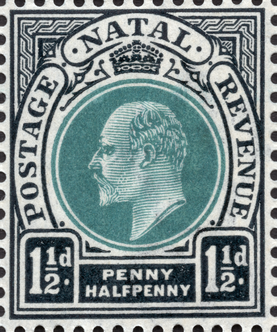
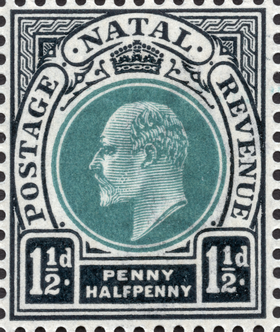
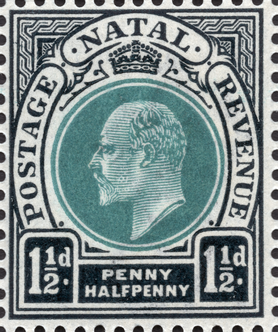
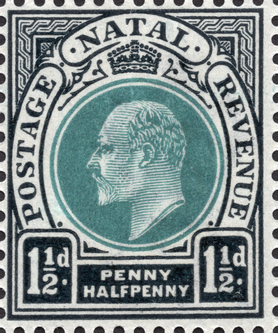
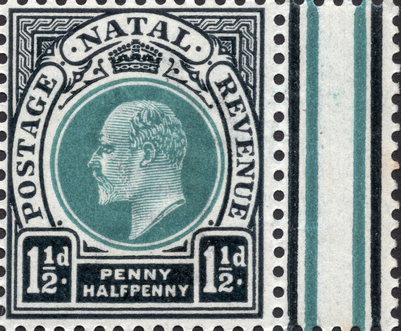
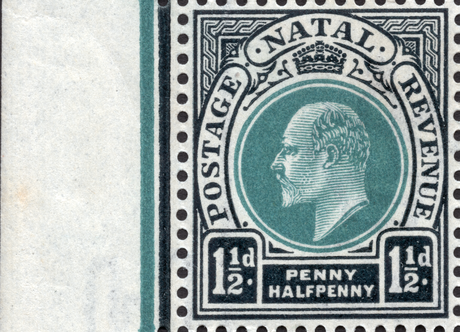
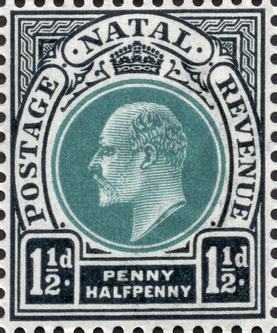
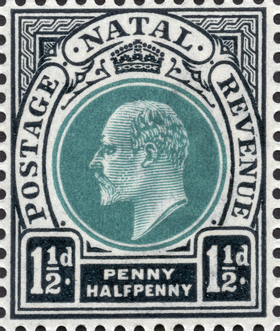
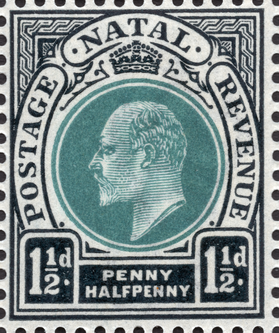
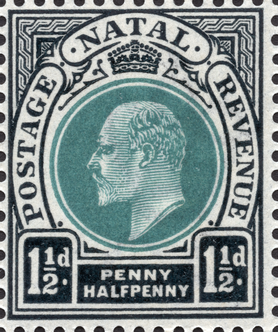
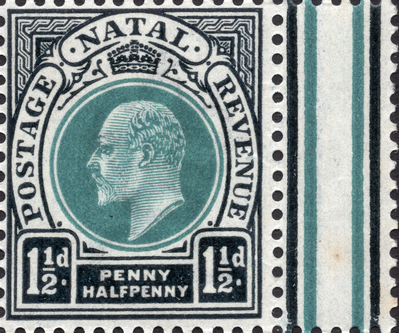
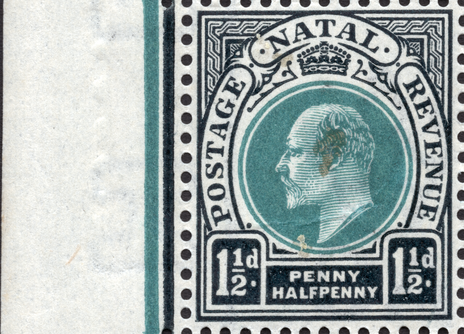
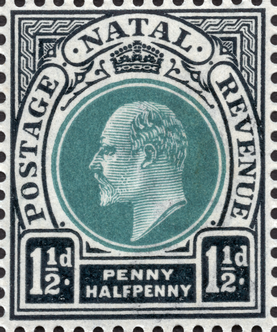
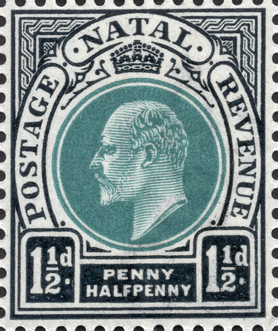
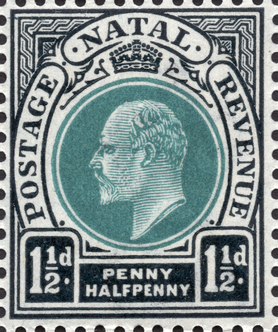
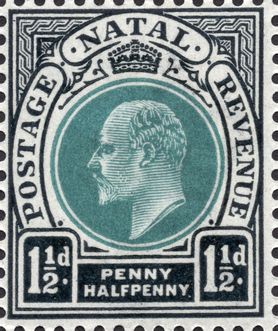
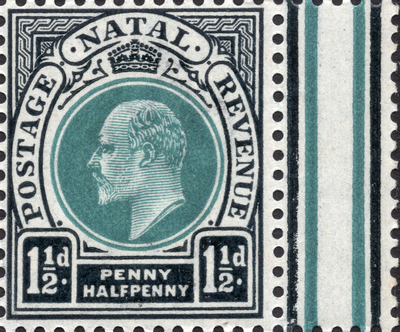
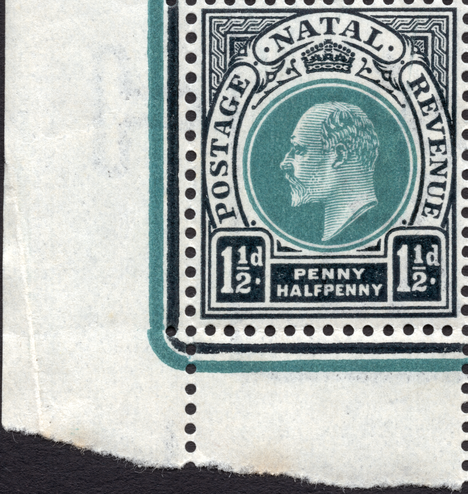
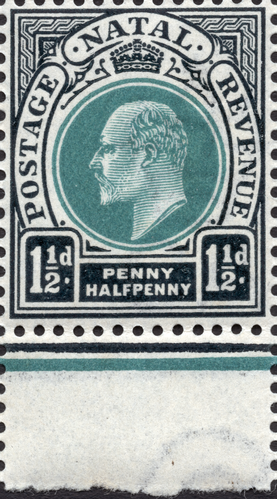
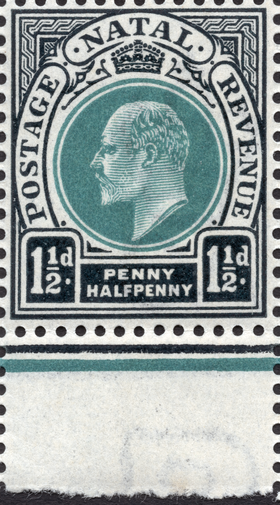
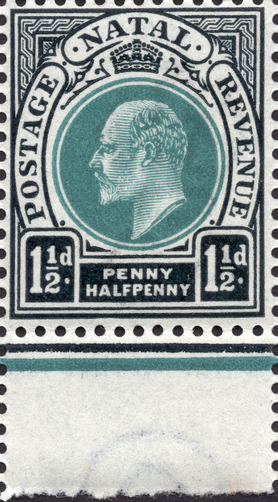
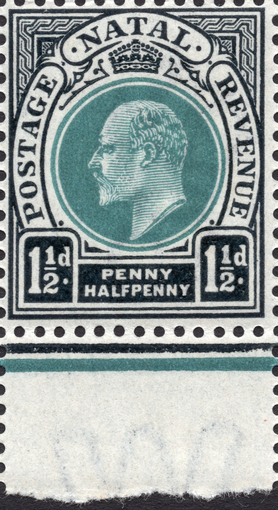
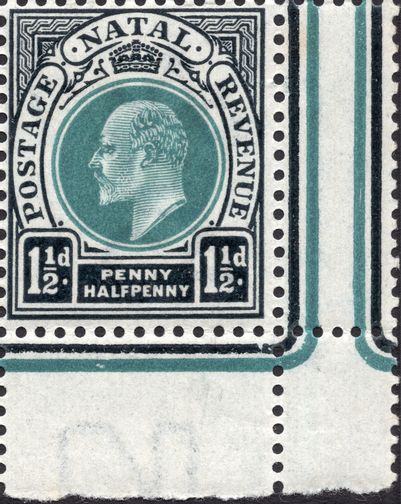
Natal 1½d, Edward VII, c.1902
The Witness
These stamps were printed in 1902. They have survived two world wars, the dissolution of the colony that issued them, and over a century of quiet storage in private hands. Nothing about their existence was designed to last this long.
On March 28, 2025, all sixty were scanned at 4,800 DPI and uploaded to Walrus, a decentralized permanent storage network on the Sui blockchain. Each scan is between 90 and 150 megabytes, large enough to resolve individual paper fibers, perforation teeth, and variations in the printer’s ink that are invisible to the naked eye. Detail at a scale that would have been unimaginable when these stamps were first pressed into service. The scans are erasure-coded across a hundred independent storage operators worldwide. As long as a third of them remain honest, every byte is recoverable, exactly as stored.
The upload happened during the network’s very first epoch, before anyone was told. The timestamp is on-chain. It cannot be changed, backdated, or forged. The chain witnessed it before anyone else did.
Epoch 2.
One year on-chain today.
The Collection
The complete pane.
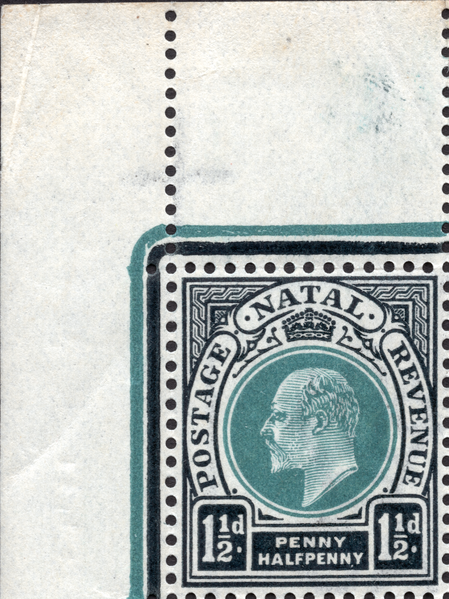
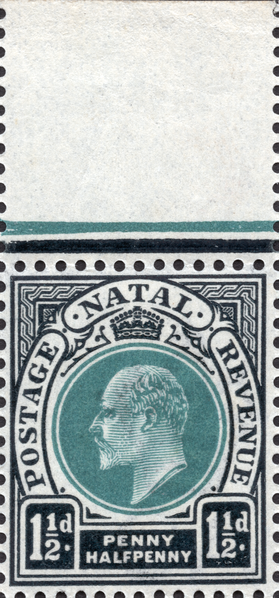
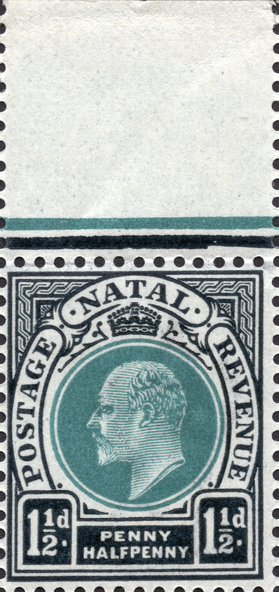
Sixty stamps in the complete pane, ten rows by six columns. Every position is documented and every stamp scanned individually. Click any stamp to open its record on Walrus, where each scan is stored by address and cannot be altered.


The Auction
A destructive auction.
Most preservation efforts try to prevent destruction. This one schedules it, and records the object at its most intact beforehand.
This pane has been intact since 1902. One hundred and twenty-three years at the perforations. The auction ends that. Every stamp is open for individual bids, and when the auction closes, the pane comes apart along whatever lines the bidding drew.
The fracture pattern is not predetermined. It emerges entirely from who wins what. Participants who win adjacent stamps preserve them together; those who don’t create the cuts. No two auctions could produce the same result.
Before the first perforation tears, the complete pane exists permanently on-chain, scanned at 4,800 DPI, encoded on Walrus, witnessed at its moment of greatest physical integrity. After the auction, no single owner holds the whole. Only the chain does.
Questions
- How does the auction work?
- Every stamp is available individually. Highest bid on each stamp wins. You receive the physical stamp, carefully separated at the perforations, along with its permanent on-chain record: a 4,800 DPI scan stored on Walrus that cannot be altered or lost. Exact dates will be announced to registered participants first.
- What is the contiguity rule?
- If you win adjacent stamps on the pane, they ship unseparated, exactly as they have been since 1902. Adjacency means stamps sharing a perforation edge.
- What wallet or currency do I need?
- A Sui wallet and SUI tokens. Instructions will be sent to registered participants before the auction opens.
- When does the auction open?
- Approximately two months from now. Register above to be notified first.
- Why these stamps?
- King Edward VII stamps remain one of the most actively collected categories in philately, with competitive bidding on specimens over a century later (go see eBay). The Natal issues carry an element of self-sovereignty: British colonies in Southern Africa had unusual agency over their stamp design, and the prints exhibit a distinct independence that is rare among colonial-era stamps. On a practical level, a complete pane of sixty stamps from 1902 in mint condition, with original gum and intact perforations, is genuinely difficult to source. Most panes from this era were used and separated long ago. This specimen survived long enough to become something more.
- What is Walrus?
- A decentralized storage network built by Mysten Labs on the Sui blockchain. Data is erasure-coded across independent operators worldwide. No single operator holds the complete data, and no single operator can delete it. It was designed from first principles to outlast the institutions we take for granted.
- Why Walrus?
- Most cloud storage depends on companies that get acquired, go under, or change terms. Walrus removes that dependency. Once a record is committed, no single party can alter or delete it. For an object that has survived since 1902, that felt like the right home.
- Is this an NFT?
- No. You receive the physical stamp, a piece of paper over 120 years old, along with its on-chain forensic record. The scan is not a certificate but an authentication instrument. At 4,800 DPI, the way ink settles into paper is unique to each impression and cannot be reproduced without the original die. The record exists to let you verify what you hold, not to represent it.
- Can the scans be forged?
- No. Each blob ID is content-addressed: if one byte changes, the identifier changes. At 4,800 DPI the scans record stochastic physical detail that cannot be reproduced: the random geometry of paper fiber tears around each perforation, the pattern of ink absorption into the substrate, the density variations in unprinted areas. These result from how fibers settled during pulp manufacturing in 1902 and how a specific die transferred ink under specific pressure on a specific day. Reproducing it without the original object appears impractical, and no digital process can synthesize it. The content is practically unforgeable. See how authentication works ↓
The Record
What does “permanent” mean?
Walrus is a decentralized storage network built on Sui. It uses erasure coding, the same mathematics that underlies deep-space communication, to distribute data across a hundred independent storage operators. No single operator holds the complete data. No single operator can delete it.
Unlike IPFS or mirrored storage, Walrus produces a cryptographic commitment recorded on a public blockchain that this data existed at this moment. The on-chain certificate serves as the proof, and anyone can verify it independently.
Each stamp scan has a Walrus blob ID, a content-addressed identifier derived from the file itself. If one byte changes, the blob ID changes. The blob ID recorded on-chain and the scan are inseparable.
The Full Pane — Walrus Mainnet
Blob ID
5-jkkyJA08uUe1Gx0Gv6TEeFl2SQuyrQ--iyF2F2dkI
Retrieve
~4.9 GBwalrus read 5-jkkyJA08uUe1Gx0Gv6TEeFl2SQuyrQ--iyF2F2dkI --out pane.tif
Authentication
A physical stamp carries its own fingerprint in its printing. The way a die transfers ink to paper is not perfectly repeatable: the density gradients at the edges of each design element, the way pigment settles into individual paper fibers, the micro-variations in pressure and ink volume that distinguish one impression from any other. At 4,800 DPI, these are visible. A forgery cannot reproduce them without possessing the original die and the original paper. The scan is the reference and the chain is the notary.
Tooling for direct scan comparison is in development.
Live
Boston Stamp Show, 2026.
Come see the physical stamps and the scans on a screen at full resolution. Ask what permanence means when a piece of paper from 1902 outlasts the institutions that issued it, and whether a blockchain can outlast the paper.
2026 · Booth 557 + Talk